
How is biochar made?
How is Terix Biochar made?
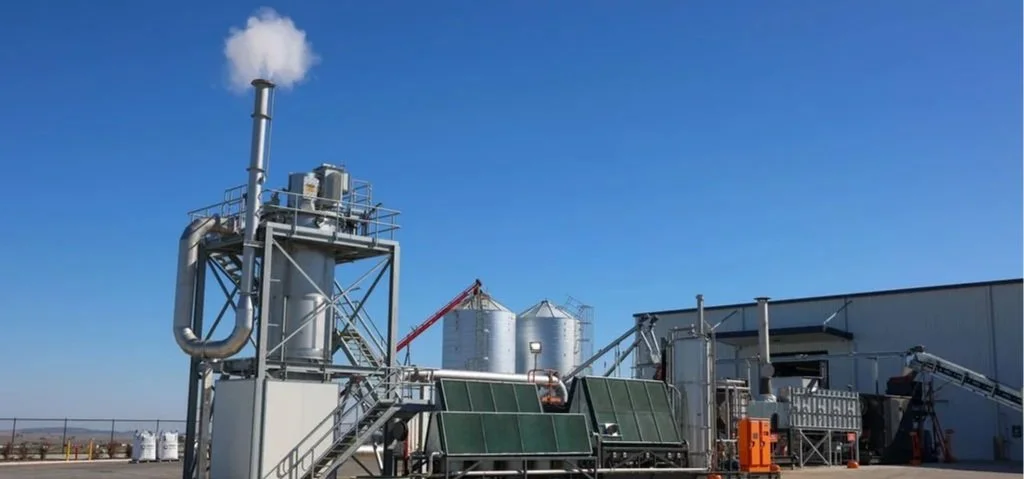
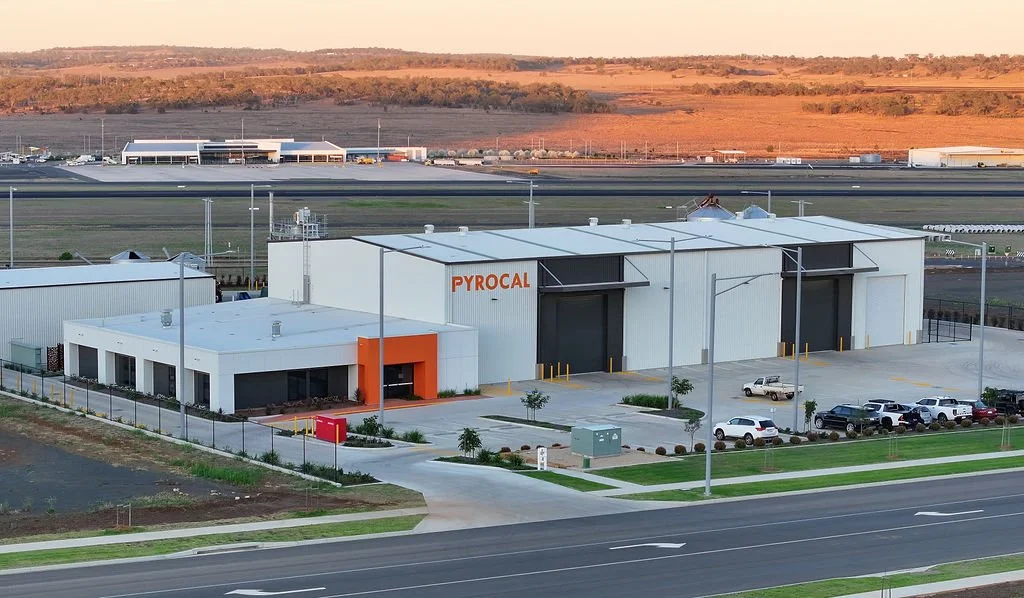
Terix Biochar is made by Pyrocal, Australian biochar technology specialists with deep expertise in turning organic biomass and biosolids into stable, high-quality biochar.
Pyrocal uses controlled carbonisation technology to transform carefully selected materials, including nutshells, timber residues and used heat-treated wood pallets, into Terix Biochar. The result is a carbon-rich product designed for consistent quality and practical performance across soil, compost, growing media, turf, landscaping, industry, stockfeed, and tailored blends.
Made by the carbonisation experts
Not all biochar is the same. The source material, processing conditions and final product preparation all affect how biochar performs.
Pyrocal specialises in carbonisation technology. Its systems are designed to carefully manage the conditions needed to turn biomass and biosolids into stable biochar, while also recovering energy from the process. This provides greater control over quality, consistency and the ability to develop products for different applications.
Rather than offering a one-size-fits-all material, Terix Biochar can be supplied in different feedstocks, particle sizes, granulations and blends to suit the intended use.
How does carbonisation work?
Terix Biochar is backed by Pyrocal’s carbonisation expertise, not simply sourced and resold as a commodity product.
This means Terix can focus on:
Carefully selected and locally sourced feedstocks.
Controlled production for consistent quality.
Biochar products designed for specific applications.
Different particle sizes, granulations and blends.
Dependable local supply.
Expert technical support to help customers choose the right solution.
Why Terix Biochar is different?
Step 2: Controlled carbonisation
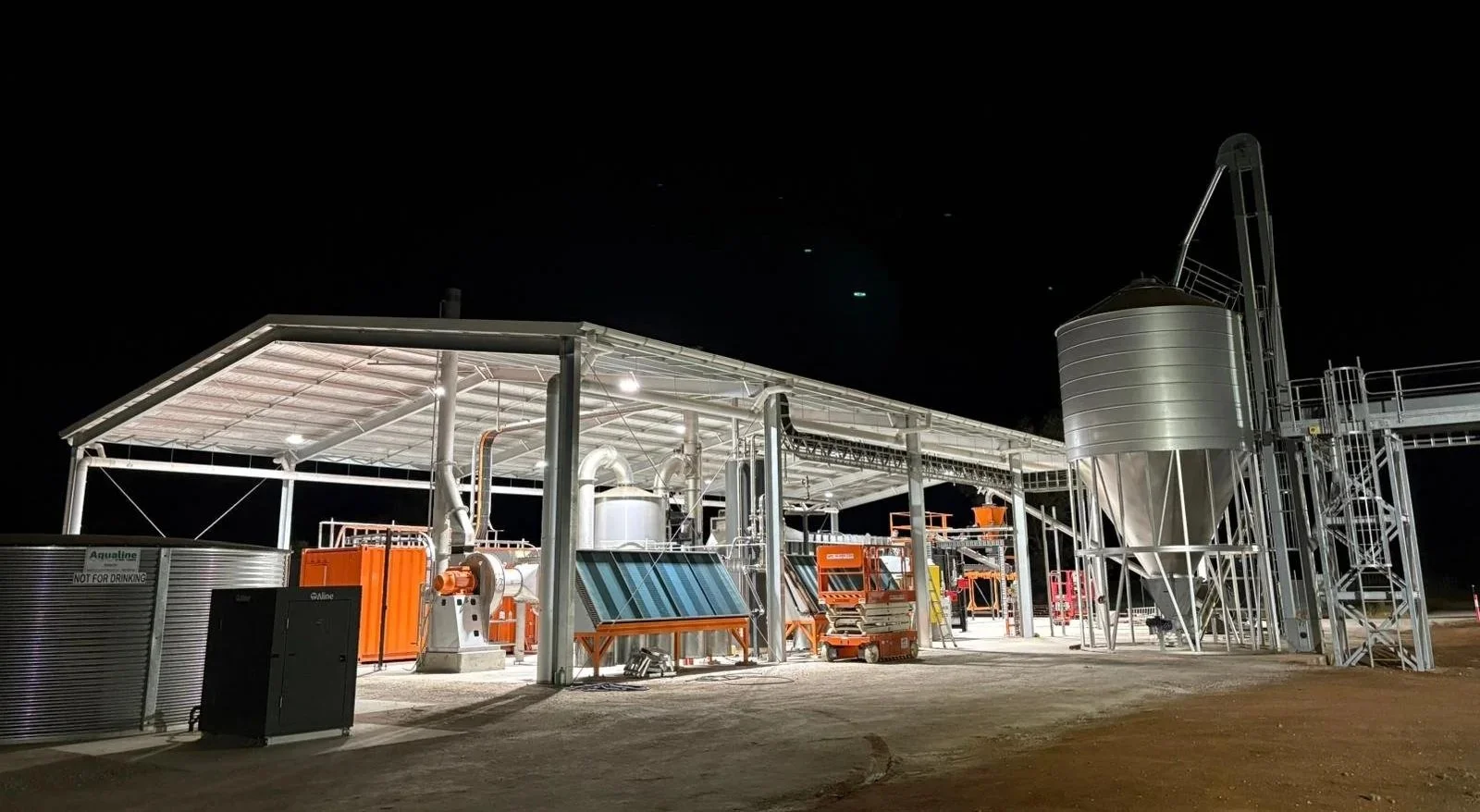
The selected biomass is processed through Pyrocal’s controlled carbonisation technology.
During carbonisation, the material is heated in a carefully managed environment and transformed into a stable, carbon-rich biochar. The process is designed to convert the biomass efficiently while producing thermal energy that can be recovered and reused within the system.
Pyrocal’s experience and process control are key to producing biochar with dependable characteristics. This is important for customers who need a product that performs consistently in soils, composts, growing media, turf blends or other formulations.
Step 3: Prepare biochar for use
Once the biochar has been made, it can be processed to suit the final application.
This may include:
Screening into different particle sizes.
Crushing or milling.
Creating biochar granules.
Blending biochar with compost, nutrients or other materials.
Packing products for retail, bulk bags or bulk supply.
This gives Terix the flexibility to provide a practical solution for different industries and applications.
Step 1: Select the right materials
Pyrocal carefully selects the feedstocks, including:
Pecan and walnut shells.
Timber residues.
Used heat-treated wood pallets.
Forestry residues.
Different feedstocks can create different biochar characteristics. Shell-based and wood-based biochars may vary in structure, texture, particle size and suitability for particular applications.